Looking Beyond the Intel Xeon E5-2699 v4 22-Core? 6 Alternatives Worth a Look
As an Amazon Associate we earn from qualifying purchases. Links on this page are affiliate links.
The Intel Xeon E5-2699 v4 22-Core Processor offers massive core density for specialized workstation tasks. If you are looking for intel xeon 22 core processor alternatives, you might want different specs or a different brand. This processor uses the LGA 2011-v3 socket and has a 145 W base power. It provides 55 MB of cache and runs at a 2.20 GHz base clock. These specifications suit professionals who run multiple virtual machines or render video. However, the high power draw and specific socket requirement limit compatibility with standard desktop motherboards. You may need specialized cooling and compatible hardware to run it effectively.
We selected the 6 alternatives on this list because their specs overlap with the original. The Intel Core i9-9900K 8-Core Processor provides strong per-core performance for gaming. The AMD Ryzen 9 5900X 12-Core offers a balance of core count and overclocking potential. The Intel Xeon W-2245 8-Core fits users who need stable multi-threaded performance on workstation platforms. Each option targets a different use case while maintaining relevance to the original chip's capabilities. You can choose based on whether you prioritize speed, core count, or platform compatibility. This guide helps you find the right fit for your build.
How the alternatives compare
Intel Core i9-9900K 8-Core Processor
The Intel Core i9-9900K swaps the 22 cores of the E5-2699 v4 for just eight cores, but targets a completely different use case. It uses the LGA 1151 socket, which fits standard desktop motherboards rather than the server-grade LGA 2011-v3. With a 95W TDP, it consumes less power than the 145W Xeon. This chip prioritizes high single-thread speeds for gaming and light productivity tasks. You get strong per-core performance, but you lose the massive parallel processing power needed for heavy virtualization or large-scale rendering. Choose this if you want a responsive desktop experience rather than a multi-VM workstation.
AMD Ryzen 9 5900X 12-Core Processor
The AMD Ryzen 9 5900X offers 12 cores and 24 threads, sitting between the 4-core and 22-core options in terms of density. It uses the AM4 socket, making it compatible with a wide range of consumer motherboards. This processor is designed for users who value overclocking potential and efficient multitasking over the extreme core counts of server chips. It provides a balanced approach for gaming and content creation. You gain modern architecture efficiency and a more accessible platform, but you give up the sheer thread count and ECC memory support often found in Xeon systems. It is a practical choice for enthusiasts.
Intel Xeon W-2245 8-Core Processor
The Intel Xeon W-2245 is an 8-core processor that uses the LGA 2066 socket, bridging the gap between consumer and workstation platforms. It delivers stable multi-threaded performance for professional tasks like video editing or CAD work. Unlike the E5-2699 v4, it is built for workstation reliability rather than data center density. You get 16 threads and optimized performance for creative applications, but you sacrifice the 22 cores and 55MB cache of the original. This chip suits professionals who need consistent performance without the bulk and complexity of a full server build. It is a focused tool for specific workstation needs.
Intel Core i7-6700K Quad-Core Processor
The Intel Core i7-6700K is a 4-core processor that uses the LGA 1151 socket, offering a much simpler and smaller build compared to the E5-2699 v4. With a 95W TDP, it is significantly more power-efficient for basic desktop upgrades. It fits users who need basic multi-threading for everyday tasks without the bulk of a 22-core server chip. You gain a compact footprint and lower power consumption, but you lose the extensive parallel processing capabilities. This processor is best for users who prioritize single-core speed and system simplicity over heavy multitasking or virtualization workloads.
Intel Xeon Gold 6230 20-Core Processor
The Intel Xeon Gold 6230 is a 20-core processor designed for enterprise server virtualization. It closely matches the core density of the E5-2699 v4, making it a direct competitor in the server space. However, it is not intended for gamers or desktop users who require fast single-thread performance. It fits server builders who need many cores at lower clock speeds for handling multiple virtual machines. You get similar core counts but in a different architectural family optimized for data centers. Choose this if you are building a server infrastructure rather than a high-performance desktop or workstation.
AMD Ryzen 7 5800X Desktop Processor
The AMD Ryzen 7 5800X provides 8 cores and 16 threads for AM4 desktop builds. It offers strong performance with high boost speeds, catering to users who value overclocking and PCIe 4.0 support. Unlike the E5-2699 v4, it is designed for gaming and productivity on consumer platforms. You gain modern features and efficient performance in a smaller package, but you give up the high core count needed for heavy server tasks. This processor is ideal for gamers and content creators who want a versatile system without the complexity and power draw of a 22-core Xeon chip.
Quick picks
Our 7 picks

Intel Xeon E5-2699 v4 22-Core Processor
Best for: High-core-count workstation builds
- Core Count
- 22 Core
- CPU Socket
- Socket Lga 2011-v3
- Base Clock
- 2.20 Ghz
- Cache Size
- 55 Mb
- Base Power
- 145 W
- Dimensions
- 2.07 × 1.77 × 0.16 inches
View on Amazon: Intel Xeon E5-2699 v4 22-Core Processor Affiliate link
The Intel Xeon E5-2699 v4 is a 22-core desktop processor built for heavy multitasking. It runs at a 2.20 GHz base clock and features 55 MB of cache. The chip uses the LGA 2011-v3 socket and draws 145 W of power. You will need a compatible motherboard to install it. This CPU suits users who need many cores for virtualization or rendering tasks rather than high single-core speeds.
Pros
- 22 cores for extensive multitasking
- 55 MB Smart Cache
- LGA 2011-v3 socket compatibility
- 2.20 GHz base clock speed
Cons
- Low 2.20 GHz base clock limits single-thread performance
- 145 W TDP requires robust cooling
- Older architecture lacks modern instruction sets
Good fit if
- You need high core counts for virtualization
- You are building a workstation on LGA 2011-v3
- You prioritize parallel processing over single-core speed
Skip if
- You want high single-thread gaming performance
- You are using a modern LGA 1700 or AM5 socket
- You need a low-power processor under 100 W
Verdict: Intel Xeon E5-2699 v4 22-Core delivers massive core density for specialized workstation tasks. It fits professionals who run multiple virtual machines or render video, provided you have the right motherboard and cooling.

Intel Core i9-9900K 8-Core Processor
Best for: High-speed desktop gaming and productivity
- Core Count
- 8 Cores
- Thread Count
- 16 Threads
- CPU Socket
- LGA1151
- Max Boost Clock
- 5.00 GHz
- Base Clock
- 3.60 GHz
- Cache Size
- 16 MB
View on Amazon: Intel Core i9-9900K 8-Core Processor Affiliate link
The Intel Core i9-9900K is an unlocked desktop processor with 8 cores and 16 threads. It runs at a 3.60 GHz base clock and boosts up to 5.00 GHz. It uses the LGA1151 socket and includes Intel UHD Graphics 630. This chip suits users who need high single-core performance for gaming or demanding applications on compatible 300-series motherboards.
Pros
- 8 cores and 16 threads for multitasking
- 5.00 GHz max boost clock
- Unlocked for overclocking
- Includes Intel UHD Graphics 630
Cons
- Only 8 cores compared to 22-core alternatives
- Requires specific 300-series chipset motherboards
- No mention of advanced enterprise features
Good fit if
- You prioritize high single-thread speeds
- You have an LGA1151 motherboard
- You need unlocked CPU capabilities
Skip if
- You need more than 8 cores
- You require modern socket compatibility
- You want integrated enterprise management
Verdict: Intel Core i9-9900K 8-Core Desktop delivers strong per-core performance for gaming and light workloads. It fits users who value speed over core count and have compatible hardware.
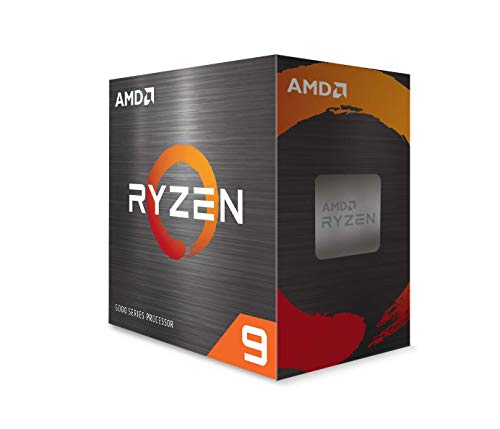
AMD Ryzen 9 5900X 12-Core Processor
Best for: Multitasking and overclocking enthusiasts
- Core Count
- 12 cores
- Thread Count
- 24 threads
- Max Boost Clock
- 4.8 GHz
- Cache Size
- 70 MB
- Series
- Ryzen 9
- Dimensions
- 1.57 × 1.57 × 0.24 inches
View on Amazon: AMD Ryzen 9 5900X 12-Core Processor Affiliate link
This AMD Ryzen 9 5900X offers 12 cores and 24 threads for heavy multitasking. It reaches a max boost clock of 4.8 GHz and includes 70 MB of cache. DDR-3200 memory support ensures fast data access. You should consider this processor if you need high core counts without the bulk of server chips. It is an unlocked desktop processor designed for performance.
Pros
- 12 cores and 24 processing threads
- 4.8 GHz max boost clock
- 70 MB total cache size
- Unlocked for overclocking
Cons
- 12 cores is fewer than the 20-22 cores in the guide's other options
- Cooler not included with the processor
- Renewed condition rather than new
Good fit if
- You want high core counts for multitasking
- You plan to overclock the CPU
- You prefer AMD architecture over Intel
Skip if
- You need 20 or more cores for server workloads
- You want a processor that includes a cooler
- You strictly require new, non-renewed hardware
Verdict: AMD Ryzen 9 5900X 12-Core is a strong mid-range option for users who value core count and overclocking potential over maximum thread counts found in server-grade chips.

Intel Xeon W-2245 8-Core Processor
Best for: Workstation multi-threaded tasks
- Core Count
- 8
- Thread Count
- 16
- CPU Socket
- FCLGA2066
- Max Boost Clock
- 4.50 GHz
- Base Clock
- 3.90 GHz
- Cache Size
- 16.5 MB
View on Amazon: Intel Xeon W-2245 8-Core Processor Affiliate link
The Intel Xeon W-2245 offers 8 cores and 16 threads with a 3.90 GHz base clock. It supports DDR4 memory and uses the FCLGA2066 socket. This processor fits workstations needing stable multi-threaded performance. You get 16.5 MB of cache and a 155 W TDP. It suits users who prioritize core count over single-core speed.
Pros
- 8 cores and 16 threads for heavy multitasking
- 3.90 GHz base frequency ensures consistent performance
- 16.5 MB cache reduces memory latency
- FCLGA2066 socket compatibility for workstation builds
Cons
- Only 8 cores compared to 22-core alternatives
- 155 W TDP requires robust cooling
- Lower core count limits extreme parallel workloads
Good fit if
- You need reliable workstation performance
- You use FCLGA2066 motherboards
- You prioritize multi-threaded stability
Skip if
- You require more than 8 cores
- You need high single-core turbo speeds
- You are building a standard desktop PC
Verdict: Intel Xeon W-2245 8-Core 3.90 GHz fits professionals who need stable multi-threaded performance on workstation platforms. It suits users who value core count and cache over raw single-core speed.

Intel Core i7-6700K Quad-Core Processor
Best for: 4-core LGA 1151 desktop upgrades
- Core Count
- 4 Core
- CPU Socket
- Socket H4 LGA-1151
- Max Boost Clock
- 4.20 GHz
- Base Clock
- 4.0 GHz
- Cache Size
- 8 MB
- Base Power
- 91 W
View on Amazon: Intel Core i7-6700K Quad-Core Processor Affiliate link
This Intel Core i7-6700K is a quad-core desktop processor built for Socket H4 LGA-1151. It runs at a base clock of 4.0 GHz with a max boost of 4.20 GHz. The chip includes 8 MB of cache and Intel HD Graphics 530. Its 95 W TDP suits standard cooling solutions. You should choose this if you need a reliable 4-core option that differs from the 22-core Xeon E5-2699 v4.
Pros
- Quad-core architecture for focused multi-threading
- 4.0 GHz base clock with 4.20 GHz boost
- 8 MB cache for data access speed
- Integrated Intel HD Graphics 530
- LGA 1151 socket compatibility
Cons
- Only 4 cores compared to 20 or 22-core alternatives
- Max boost clock is lower than 5.0 GHz competitors
- Older Skylake architecture lacks newer instruction sets
Good fit if
- You require a compact 4-core solution
- You are upgrading an LGA 1151 system
- You need integrated graphics for basic display
Skip if
- You need more than 4 processing cores
- You require high-frequency turbo speeds above 4.5 GHz
- You are building a modern platform with newer sockets
Verdict: Intel Core i7-6700K 4-Core 4.0 GHz is a modest 4-core processor for LGA 1151 builds. It fits users who need basic multi-threading without the bulk of a 22-core server chip.

Intel Xeon Gold 6230 20-Core Processor
Best for: Enterprise server virtualization workloads
- Core Count
- 20 cores
- Base Clock
- 2.10 GHz
- Cache Size
- 27.5 MB
- Base Power
- 125 W
- Series
- Xeon Gold
View on Amazon: Intel Xeon Gold 6230 20-Core Processor Affiliate link
The Intel Xeon Gold 6230 offers 20 cores and 20 threads with a 2.10 GHz base clock. It includes 27.5 MB of Intel Smart Cache and operates at 125 W TDP. This OEM processor suits enterprise server builds and virtualization tasks. You get a stable platform for data-intensive applications without retail packaging. It is designed for rack-mounted configurations where power efficiency and multi-threaded performance matter most.
Pros
- 20 physical cores for heavy multitasking
- 27.5 MB Intel Smart Cache
- 125 W thermal design power
- Enterprise-grade Xeon Gold architecture
Cons
- Low 2.10 GHz base frequency
- OEM packaging only
- Not a desktop consumer chip
Good fit if
- You need 20 cores for virtualization
- You build server racks
- You prioritize multi-threaded stability
Skip if
- You want high single-core speed
- You need retail boxed warranty
- You build standard desktop PCs
Verdict: Intel Xeon Gold 6230 20-Core fits server builders needing many cores at low clock speeds. It is not for gamers or desktop users who need fast single-thread performance.

AMD Ryzen 7 5800X Desktop Processor
Best for: AM4 gaming and productivity builds
- Core Count
- 8 cores
- Thread Count
- 16 threads
- CPU Socket
- AM4
- Max Boost Clock
- 4.7 GHz
- Cache Size
- 36 MB
- Series
- Ryzen 7
View on Amazon: AMD Ryzen 7 5800X Desktop Processor Affiliate link
The AMD Ryzen 7 5800X is an 8-core, 16-thread unlocked processor for the AM4 socket. It features a 4.7 GHz max boost and 36 MB of cache. This chip supports DDR-3200 memory and PCIe 4.0 on compatible X570 and B550 motherboards. You should choose this if you want strong multi-threaded performance and high clock speeds for gaming or productivity tasks on the AM4 platform.
Pros
- 8 cores and 16 threads for robust multitasking
- 4.7 GHz max boost clock for fast single-core performance
- 36 MB cache supports efficient data access
- Unlocked for overclocking potential
- Supports PCIe 4.0 on X570 and B550 boards
Cons
- Only 8 cores, fewer than the 20-22 core alternatives on this list
- Cooler not included, requiring a separate purchase
- Limited to the AM4 socket platform
Good fit if
- You need a high-performance CPU for the AM4 socket
- You prioritize high clock speeds for gaming
- You want an unlocked processor for overclocking
Skip if
- You require more than 8 cores for heavy workloads
- You are building on an Intel LGA platform
- You want a processor that includes a stock cooler
Verdict: The AMD Ryzen 7 5800X 8-Core Desktop Processor offers strong 8-core performance and high boost speeds for AM4 builders. It fits users who value overclocking and PCIe 4.0 support over higher core counts.
Specifications side by side
| Spec | Intel Xeon E5-2699 v4 22-Core Processor | Intel Core i9-9900K 8-Core Processor | AMD Ryzen 9 5900X 12-Core Processor | Intel Xeon W-2245 8-Core Processor | Intel Core i7-6700K Quad-Core Processor | Intel Xeon Gold 6230 20-Core Processor | AMD Ryzen 7 5800X Desktop Processor |
|---|---|---|---|---|---|---|---|
| Core Count | 22 Core | 8 Cores | 12 cores | 8 | 4 Core | 20 cores | 8 cores |
| Thread Count | not stated | 16 Threads | 24 threads | 16 | not stated | not stated | 16 threads |
| CPU Socket | Socket Lga 2011-v3 | LGA1151 | not stated | FCLGA2066 | Socket H4 LGA-1151 | not stated | AM4 |
| Max Boost Clock | not stated | 5.00 GHz | 4.8 GHz | 4.50 GHz | 4.20 GHz | not stated | 4.7 GHz |
| Base Clock | 2.20 Ghz | 3.60 GHz | not stated | 3.90 GHz | 4.0 GHz | 2.10 GHz | not stated |
| Cache Size | 55 Mb | 16 MB | 70 MB | 16.5 MB | 8 MB | 27.5 MB | 36 MB |
| Base Power | 145 W | 95W | not stated | 155 W | 91 W | 125 W | not stated |
| Integrated Graphics | not stated | Intel UHD Graphics 630 | not stated | not stated | Intel HD Graphics 530 | not stated | not stated |
| Series | not stated | Core i9 | Ryzen 9 | not stated | Core i7 | Xeon Gold | Ryzen 7 |
| TDP | not stated | 95W | not stated | not stated | 95W | not stated | not stated |
| Dimensions | 2.07 × 1.77 × 0.16 inches | 2.91 × 4.41 × 4.61 inches | 1.57 × 1.57 × 0.24 inches | not stated | 3.94 × 3.94 × 2.36 inches | not stated | 1.57 × 1.57 × 0.24 inches |
| Weight | 2.08 ounces | not stated | 2.8 ounces | 1 pounds | 1.44 ounces | not stated | 2.8 ounces |
| Model | CM8066002022506 | SRELS | AMD Ryzen 9 5900X-cr | SRH02 | CM8066201919901 | CD8069504193701 | AMD Ryzen 7 5800X |
| Size | not stated | not stated | Medium | not stated | not stated | not stated | XX-Large |
| Color | not stated | not stated | not stated | not stated | not stated | not stated | Black |
You can examine minisforum intel core i5 12600h processor alternatives to evaluate different workstation CPU configurations.
Frequently asked questions
Which alternative offers the highest core count?
The Intel Xeon E5-2699 v4 remains the top choice with 22 cores. The Intel Xeon Gold 6230 is a close second, featuring 20 cores. It is designed for enterprise server virtualization rather than desktop use. These chips prioritize density over single-thread speed, making them suitable for heavy multi-VM workloads.
What is the best option for gaming?
The Intel Core i9-9900K is the best pick for high-speed desktop gaming. It uses the LGA 1151 socket and delivers strong per-core performance. The AMD Ryzen 7 5800X is also excellent for AM4 builds, offering high boost speeds and PCIe 4.0 support. These chips favor speed over raw core count.
Does the AMD Ryzen 9 5900X have more threads?
Yes, the AMD Ryzen 9 5900X features 12 cores and 24 threads. This provides strong multitasking capabilities for enthusiasts. It fits users who value overclocking potential. It is a mid-range option that balances core count with high performance, differing from the server-grade chips that lack such consumer-friendly tuning.
Which processor is best for workstation multi-threaded tasks?
The Intel Xeon W-2245 is ideal for stable multi-threaded workstation tasks. It has 8 cores and 16 threads on the LGA 2066 socket. It suits professionals who need reliability over raw single-core speed. This chip fits users who prioritize consistent performance for professional applications rather than gaming or general desktop use.
Can I use these chips on standard desktop motherboards?
The Intel Core i9-9900K and Intel Core i7-6700K use the LGA 1151 socket, fitting standard desktop boards. The AMD Ryzen 7 5800X fits AM4 platforms. The server-grade Xeon chips require specialized motherboards. You must match the socket type to your motherboard to ensure compatibility with the hardware.
Is the Intel Core i7-6700K a good upgrade?
The Intel Core i7-6700K is a modest 4-core processor for LGA 1151 builds. It fits users needing basic multi-threading without the bulk of a 22-core server chip. It provides a 4.0 GHz speed. This is a practical choice for upgrades where high core counts are unnecessary for your specific workload.
Which chip is best for enterprise virtualization?
The Intel Xeon Gold 6230 is built for enterprise server virtualization workloads. It offers 20 cores at low clock speeds. It is not designed for gamers or desktop users needing fast single-thread performance. This chip suits server builders who require many cores for running multiple virtual machines simultaneously.
What is the difference between the Ryzen 9 5900X and 5800X?
The AMD Ryzen 9 5900X has 12 cores and 24 threads, while the Ryzen 7 5800X has 8 cores and 16 threads. The 5900X targets multitasking enthusiasts, whereas the 5800X focuses on strong 8-core performance with high boost speeds. Both fit AM4 platforms, but the 5900X offers more parallel processing power.