Best Processors with 8 Cores in 2026: 15 Picks Ranked by Specs
As an Amazon Associate we earn from qualifying purchases. Links on this page are affiliate links.
Choosing the right processor with 8 Cores depends on your motherboard platform, clock speed needs, and cooling hardware. We evaluated 15 models based strictly on the specifications published on their listings. The Intel Core i9-9900K 8-Core Processor earns the top position because it delivers 16 threads, speeds up to 5.00 GHz, and integrated Intel UHD Graphics 630 on the LGA 1151 socket at a 95W TDP.
This comparison helps you decide which socket type, power profile, and multi-threading capabilities best match your desktop or workstation requirements.
Quick picks
The best fit for you
- You build on an Intel 300 series motherboard Intel Core i9-9900K 8-Core Processor It features 8 cores, 16 threads, up to 5.00 GHz speeds, and integrated graphics at a 95W TDP.
- You need extensive PCIe expansion for workstations AMD Ryzen Threadripper 1900X 8-Core Processor It delivers 64 PCIe Gen3 lanes and quad-channel memory support across 8 cores and 16 threads.
- You want integrated graphics and an included cooler AMD Ryzen 7 5700G 8-Core Processor It provides 8 cores, built-in graphics, and an included Wraith Stealth cooler.
- You want maximum cache capacity on Socket AM4 AMD Ryzen 7 5800X3D 8-Core Processor It packs 100 MB of cache, 8 cores, 16 threads, and PCIe 4.0 support on AM4.
Our 15 picks

Intel Core i9-9900K 8-Core Processor
Best for: Intel 300 series 8-core desktop builds
- Core Count
- 8 Cores (what this guide is about)
- Thread Count
- 16 Threads
- CPU Socket
- LGA1151
- Max Boost Clock
- 5.00 GHz
- Base Clock
- 3.60 GHz
- Cache Size
- 16 MB
This Intel Core i9 processor provides 8 cores and 16 threads for LGA 1151 systems. You get a 3.60 GHz base clock with turbo speeds reaching up to 5.00 GHz, paired with 16 MB of cache and a 95W TDP. It includes integrated Intel UHD Graphics 630. This CPU suits you if you run an Intel 300 series motherboard and need unlocked multi-thread processing power.
Pros
- 8 cores and 16 threads
- Up to 5.00 GHz turbo clock speed with 3.60 GHz base clock
- Integrated Intel UHD Graphics 630
- 16 MB cache and Intel Optane Memory support
Cons
- Compatible only with Intel 300 series chipset motherboards
- Limited to LGA 1151 CPU socket
Good fit if
- You have an LGA 1151 motherboard with an Intel 300 series chipset.
- You need 8 cores, 16 threads, and turbo speeds up to 5.00 GHz.
- You want integrated Intel UHD Graphics 630 without adding a discrete card.
Skip if
- You use a motherboard that is not based on an Intel 300 series chipset.
- You have a motherboard with a CPU socket other than LGA 1151.
Verdict: Intel Core i9-9900K 8-Core Processor delivers 8 cores, 16 threads, and up to 5.00 GHz speeds on the LGA 1151 socket. It provides integrated Intel UHD Graphics 630 alongside a 95W TDP for compatible Intel 300 series motherboards.

Intel Xeon W-2245 8-Core Processor
Best for: LGA 2066 workstation builds
- Core Count
- 8 Cores (what this guide is about)
- Thread Count
- 16
- CPU Socket
- FCLGA2066
- Max Boost Clock
- 4.50 GHz
- Base Clock
- 3.90 GHz
- Cache Size
- 16.5 MB
This is an 8-core, 16-thread workstation processor built for the LGA 2066 socket. You get a 3.90 GHz base frequency with a maximum turbo frequency reaching 4.50 GHz, along with 16.5 MB of cache. It supports DDR4 memory and operates at a 155 W thermal design power. It suits you if you need multi-threaded compute power on an existing LGA 2066 platform.
Pros
- 8 cores and 16 threads for multi-threaded workloads
- High 3.90 GHz base frequency up to 4.50 GHz turbo
- 16.5 MB onboard cache
- Supports DDR4 system memory
Cons
- High 155 W TDP requires capable cooling
- Built on 14 nm lithography
- Limited to LGA 2066 socket motherboards
Good fit if
- You run a motherboard equipped with an LGA 2066 socket.
- You need 8 cores and 16 threads with a 3.90 GHz base speed.
- You use DDR4 memory modules in your workstation.
Skip if
- You need a processor with a lower TDP than 155 W.
- You plan to build on a newer consumer socket platform.
- You require memory formats other than DDR4.
Verdict: Intel Xeon W-2245 8-Core Processor delivers steady 8-core, 16-thread computing with a fast 3.90 GHz base clock for LGA 2066 hardware. It is a direct fit when you want dedicated workstation capabilities on this platform.

Intel Core i9-9900K 8-Core Processor
Best for: Intel 300 Series LGA 1151 systems
- Core Count
- 8 Cores (what this guide is about)
- Thread Count
- 16 Threads
- CPU Socket
- LGA1151
- Max Boost Clock
- 5.00 GHz
- Base Clock
- 3.60 GHz
- Cache Size
- 16 MB
The Intel Core i9-9900K is an 8-core, 16-thread desktop processor designed for high-demand computing on the LGA 1151 socket. It delivers a 3.60 GHz base clock with turbo speeds reaching up to 5.00 GHz, alongside 16 MB of cache and a 95W TDP. If you run a compatible Intel 300 Series motherboard and need integrated Intel UHD Graphics 630, this unlocked processor handles multi-threaded workloads without requiring a separate graphics card.
Pros
- Up to 5.00 GHz turbo clock speed with 16 MB cache
- 8 cores and 16 threads for parallel workloads
- Integrated Intel UHD Graphics 630
- Intel Optane Memory support
Cons
- Compatible only with Intel 300 Series chipset motherboards
- 95W TDP draws more power than lower-wattage alternatives
Good fit if
- You have an LGA 1151 motherboard with an Intel 300 Series chipset.
- You want clock speeds up to 5.00 GHz across 16 threads.
- You need integrated display output via Intel UHD Graphics 630.
Skip if
- You use a motherboard based on non-300 Series chipsets.
- You need a lower-power processor that operates below 95W TDP.
Verdict: Intel Core i9-9900K 8-Core Processor pairs 8 cores, 16 threads, and a 5.00 GHz maximum clock with integrated graphics on the LGA 1151 platform. It serves as a top-tier option specifically for systems with Intel 300 Series chipsets.
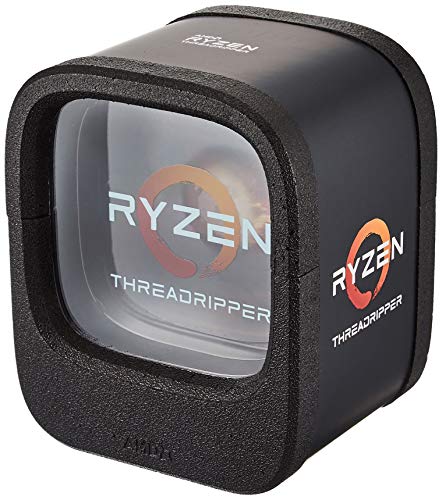
AMD Ryzen Threadripper 1900X 8-Core Processor
Best for: workstations needing extensive PCIe lane expansion
- Core Count
- 8 Cores (what this guide is about)
- Thread Count
- 16 Threads
- Max Boost Clock
- 4.0 GHz
- Cache Size
- 20MB
- Series
- Ryzen Threadripper
- Dimensions
- 3.1 × 2.2 × 0.3 inches
View on Amazon: AMD Ryzen Threadripper 1900X 8-Core Processor
The AMD Ryzen Threadripper 1900X gives you an 8-core, 16-thread workstation CPU built for bandwidth-heavy builds. It delivers 64 PCIe Gen3 lanes and quad-channel DDR4 memory support, along with 20MB of cache and clock speeds reaching up to 4.2 GHz with XFR. This chip suits you if you need extensive PCIe expansion and multichannel memory on an eight-core setup without stepping up to larger thread-count workstation parts.
Pros
- 64 PCIe Gen3 lanes for high-bandwidth expansion
- Quad-channel DDR4 memory configuration
- 20MB of cache memory
- Boost speeds reaching 4.2 GHz via XFR
Cons
- PCIe interface limited to Gen3 speeds
- No integrated graphics included on the chip
Good fit if
- You need 64 PCIe lanes for multi-card add-in setups.
- You run workstations that utilize quad-channel DDR4 memory.
Skip if
- You require PCIe Gen4 or newer lane support.
- You need a processor with built-in integrated graphics.
Verdict: AMD Ryzen Threadripper 1900X 8-Core Processor pairs 64 PCIe Gen3 lanes with quad-channel memory across an eight-core layout. It is a practical fit when you need expansive platform bandwidth on an eight-core system.
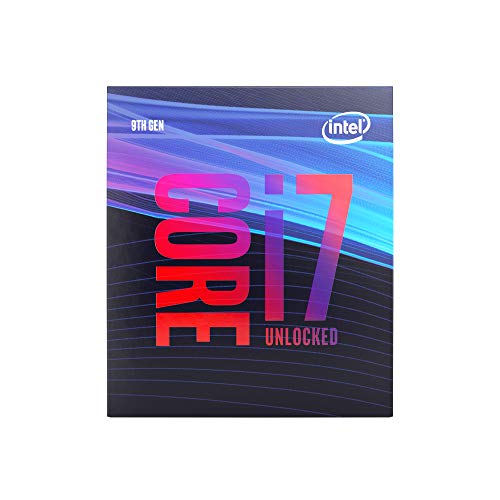
Intel Core i7-9700K 8-Core Processor
Best for: Intel 300-series builds needing integrated graphics
- Core Count
- 8 Cores (what this guide is about)
- Thread Count
- 8 Threads
- CPU Socket
- LGA1151
- Max Boost Clock
- 4.90 GHz
- Base Clock
- 3.60 GHz
- Cache Size
- 12 MB
The Intel Core i7-9700K gives you 8 cores and 8 threads running at a 3.60 GHz base frequency with up to 4.90 GHz turbo speeds. It features integrated Intel UHD Graphics 630, 12 MB of cache, and a 95W TDP. This unlocked processor fits LGA 1151 motherboards using Intel 300-series chipsets. It suits you if you want high 8-core clock speeds without buying a separate graphics card.
Pros
- Up to 4.90 GHz turbo clock speed with 3.60 GHz base
- Integrated Intel UHD Graphics 630 included
- Unlocked multiplier for overclocking
- Supports Intel Optane Memory alongside 12 MB cache
Cons
- Cooling device is not included in the box
- Limited to 8 threads across its 8 cores
- Only compatible with Intel 300-series chipsets
Good fit if
- You have an Intel 300-series LGA 1151 motherboard ready.
- You need integrated display output via Intel UHD Graphics 630.
- You want up to 4.90 GHz turbo clock speeds on an 8-core setup.
Skip if
- You need multithreaded workloads that require 16 threads.
- You do not already own a compatible CPU cooling solution.
- You require ECC memory or more than 64 GB of RAM.
Verdict: Intel Core i7-9700K 8-Core Processor delivers fast 4.90 GHz turbo speeds and built-in graphics on compatible 300-series motherboards. It is a capable 8-core option if you do not require 16 threads or bundled cooling.

AMD Ryzen 7 5800X Desktop Processor
Best for: Socket AM4 builds needing 16 processing threads
- Core Count
- 8 Cores (what this guide is about)
- Thread Count
- 16 threads
- CPU Socket
- AM4
- Max Boost Clock
- 4.7 GHz
- Cache Size
- 36 MB
- Series
- Ryzen 7
The AMD Ryzen 7 5800X gives you 8 cores and 16 processing threads on the Socket AM4 platform. It features a 4.7 GHz max boost clock, 36 MB of cache, and support for DDR-3200 memory. It also supports PCIe 4.0 when installed on X570 and B550 motherboards, and it arrives unlocked for overclocking. This processor suits you if you need multi-threaded throughput on compatible AM4 hardware.
Pros
- 8 cores and 16 processing threads
- Up to 4.7 GHz max boost clock
- 36 MB cache and DDR-3200 memory support
- Supports PCIe 4.0 on X570 and B550 chipsets
Cons
- No cooler included in the box
- Requires Socket AM4 motherboard
- Listed OS support limited to Windows 10 64-Bit Edition
Good fit if
- You have an X570 or B550 Socket AM4 motherboard ready for PCIe 4.0.
- You own or plan to buy a dedicated high-performance CPU cooler.
- You want an unlocked 8-core processor for overclocking.
Skip if
- You require a bundled stock cooler with your processor.
- You use a motherboard with a socket other than AM4.
Verdict: AMD Ryzen 7 5800X 8-Core Processor provides 8 cores and 16 threads with a 4.7 GHz max boost and PCIe 4.0 support on Socket AM4. You need to supply a separate cooling solution because a cooler is not included.

Intel Core i7 8-Core Unlocked Processor
Best for: LGA 1200 systems needing unlocked 8-core performance
- Core Count
- 8 Cores (what this guide is about)
- Thread Count
- 16 Threads
- CPU Socket
- LGA 1200
- Max Boost Clock
- 5.1 GHz
- Base Power
- 125W
- Series
- Core i7
The Intel Core i7 8-Core Desktop Processor features 8 cores and 16 threads with unlocked speeds reaching up to 5.1 GHz. Built for the LGA 1200 socket, it runs at a 125W TDP and supports Intel 400 series chipset motherboards. It includes Intel Turbo Boost Max Technology 3.0 and Optane Memory support. This processor suits you if you need high clock speeds and multithreaded capacity on an Intel LGA 1200 platform.
Pros
- 8 cores and 16 threads
- Unlocked speeds up to 5.1 GHz
- Intel Turbo Boost Max Technology 3.0 support
- Intel Optane Memory support
Cons
- Limited to Intel 400 series chipset motherboards
- TDP rating of 125W
Good fit if
- You use an Intel 400 series chipset motherboard with socket LGA 1200.
- You need unlocked clock speeds up to 5.1 GHz.
- You want Intel Optane Memory support.
Skip if
- You have a motherboard using a socket other than LGA 1200.
- You require a power draw lower than 125W TDP.
Verdict: Intel Core i7 8-Core Desktop Processor delivers 8 cores and 16 threads with unlocked speeds up to 5.1 GHz for LGA 1200 builds. It provides high clock rates and Intel Turbo Boost Max 3.0 support at a 125W TDP.

Intel Core i9-11900KF 8-Core Processor
Best for: high-clock 8-core LGA 1200 desktop builds
- Core Count
- 8 Cores (what this guide is about)
- CPU Socket
- LGA1200
- Max Boost Clock
- 5.3 GHz
- Base Power
- 125W
- Series
- Core i9
- Dimensions
- 1.5 × 1.5 × 0.2 inches
The Intel Core i9 8-Core 5.3 GHz Processor gives you 8 cores with boost speeds reaching up to 5.3 GHz on the LGA 1200 socket. It features an unlocked multiplier for clock adjustments and runs at a 125W TDP. This chip fits your setup if you have an Intel 500 series or select 400 series motherboard and want high clock speeds for demanding tasks.
Pros
- Up to 5.3 GHz maximum clock speed
- 8-core configuration
- Unlocked multiplier
- Compatible with LGA 1200 socket
Cons
- 125W TDP requires capable thermal cooling
- No integrated graphics listed in specifications
- Restricted to Intel 500 series and select 400 series boards
Good fit if
- You already own an LGA 1200 motherboard with a 500 or select 400 series chipset.
- You want clock speeds up to 5.3 GHz with an unlocked multiplier.
- You have a dedicated graphics card for video output.
Skip if
- You need integrated graphics rather than a dedicated graphics card.
- You plan to build on a newer or different socket standard.
Verdict: Intel Core i9 8-Core 5.3 GHz Processor delivers high maximum clock speeds and unlocked tuning for LGA 1200 platforms. Its 8 cores and 125W TDP offer reliable processing power for compatible desktop motherboards.

Intel Core i7-11700KF 8-Core Processor
Best for: unlocked LGA 1200 motherboard builds
- Core Count
- 8 Cores (what this guide is about)
- CPU Socket
- LGA1200
- Max Boost Clock
- 5.0 GHz
- Base Power
- 125W
- Series
- Core i7
- Dimensions
- 1.5 × 1.5 × 0.2 inches
The Intel Core i7-11700KF 8-Core Processor fits LGA 1200 sockets with 8 cores running up to 5.0 GHz unlocked. You get PCIe Gen 4.0 support and a 125W TDP designed for Intel 500 series and select 400 series motherboards. It suits you if you already own an LGA 1200 board and want high clock speeds with Turbo Boost Max 3.0, provided you supply your own thermal solution.
Pros
- Clock speeds up to 5.0 GHz with unlocked multiplier
- PCIe Gen 4.0 support
- Intel Turbo Boost Max Technology 3.0
- Intel Optane Memory support
Cons
- No thermal solution included
- High 125W TDP requires substantial cooling
- Restricted to LGA 1200 socket motherboards
Good fit if
- You run an Intel 500 series or compatible 400 series LGA 1200 motherboard.
- You already have a dedicated cooling solution capable of handling 125W.
Skip if
- You need a processor bundled with a stock heatsink and fan.
- You use a platform other than socket LGA 1200.
Verdict: Intel Core i7-11700KF 8-Core Processor delivers up to 5.0 GHz speeds and PCIe 4.0 connectivity for LGA 1200 systems. You will need a separate cooling solution to accommodate its 125W rating.
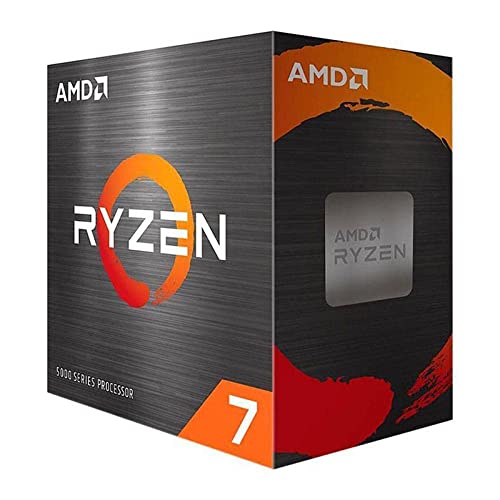
AMD Ryzen 7 5700G 8-Core Processor
Best for: 8-core builds without a dedicated graphics card
- Core Count
- 8 Cores (what this guide is about)
- Thread Count
- 16 threads
- CPU Socket
- Socket AM4
- Max Boost Clock
- 4.6 GHz
- Cache Size
- 20 MB
- Integrated Graphics
- Radeon Graphics
The AMD Ryzen 7 5700G is an 8-core, 16-thread desktop CPU for Socket AM4 motherboards. It provides integrated Radeon graphics, reaching up to 4.6 GHz Max Boost clock speeds alongside 20 MB of total cache and DDR4-3200 memory support. It also includes an AMD Wraith Stealth cooler in the box. This processor fits your build if you need eight physical cores and full system functionality without buying a dedicated graphics card.
Pros
- Integrated Radeon graphics run displays without a discrete card
- Bundled AMD Wraith Stealth cooler included in the box
- 8 cores and 16 processing threads reach up to 4.6 GHz boost
- Unlocked multiplier allows overclocking
Cons
- Total cache is limited to 20 MB
- Confined to Socket AM4 and DDR4 memory platforms
Good fit if
- You need an 8-core CPU capable of running displays without a standalone graphics card.
- You want an included cooling solution inside the retail package.
- You are assembling an AM4 build using DDR4-3200 memory.
Skip if
- You already have a dedicated GPU and want larger L3 cache pools.
- You plan to build on a platform that requires DDR5 memory support.
Verdict: AMD Ryzen 7 5700G 8-Core Processor gives you balanced 8-core AM4 performance and built-in graphics without requiring a separate video card. It serves as a practical, self-contained computing solution complete with an included Wraith Stealth cooler.

AMD Ryzen 7 5700X 8-Core Desktop Processor
Best for: Socket AM4 systems needing 8-core Zen 3 performance
- Core Count
- 8 Cores (what this guide is about)
- Thread Count
- 16 threads
- CPU Socket
- Socket AM4
- Max Boost Clock
- 4.6 GHz
- Cache Size
- 36 MB
- Integrated Graphics
- Discrete graphics card required
The AMD Ryzen 7 5700X 8-Core Processor fits Socket AM4 desktop motherboards. It provides 8 cores and 16 threads built on AMD Zen 3 architecture. You get up to a 4.6 GHz max boost clock, 36 MB of total cache, and DDR4-3200 memory support. The unlocked design allows overclocking on compatible B550 or X570 boards with PCIe 4.0. It suits you if you already run a discrete graphics card and cooler.
Pros
- 8 cores and 16 processing threads on Zen 3 architecture
- Up to 4.6 GHz max boost clock with unlocked multiplier
- 36 MB cache with DDR4-3200 system memory support
- PCIe 4.0 connectivity supported on B550 and X570 motherboards
Cons
- Cooler not included in package
- Requires a discrete graphics card for display output
Good fit if
- You use an existing Socket AM4 motherboard such as B550 or X570.
- You already own a dedicated graphics card and compatible processor cooler.
Skip if
- You need integrated graphics built into the desktop processor.
- You prefer a processor that comes bundled with a stock cooler.
Verdict: AMD Ryzen 7 5700X 8-Core Processor delivers 8 cores, 16 threads, and PCIe 4.0 support for AM4 systems. It requires a dedicated graphics card and separate cooling hardware.
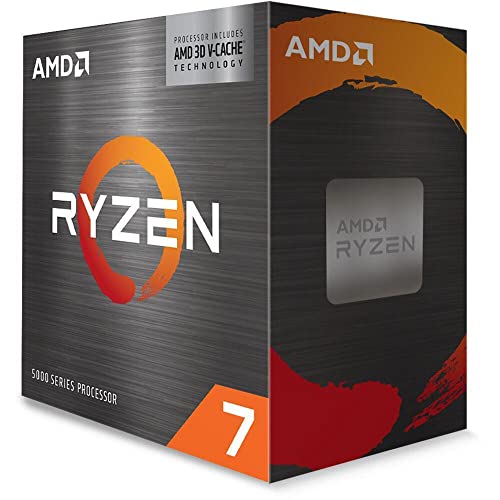
AMD Ryzen 7 5800X3D 8-Core Processor
Best for: Socket AM4 systems needing large cache
- Core Count
- 8 Cores (what this guide is about)
- Thread Count
- 16 processing threads
- CPU Socket
- Socket AM4
- Max Boost Clock
- 4.5 GHz
- Cache Size
- 100 MB
- Series
- Ryzen 7
The AMD Ryzen 7 5800X3D is an 8-core, 16-thread desktop processor designed for Socket AM4 motherboards. It features 100 MB of cache using 3D V-Cache technology, a 4.5 GHz boost clock, and DDR4-3200 memory support. You also get PCIe 4.0 support on compatible X570 and B550 boards. This processor fits you if you build on Socket AM4 and prioritize large cache volume.
Pros
- 100 MB total cache with 3D V-Cache technology
- 8 cores and 16 processing threads
- PCIe 4.0 support on X570 and B550 motherboards
- Up to 4.5 GHz max boost clock
Cons
- No CPU cooler included in the box
- Requires a separate high-performance cooling solution
- Limited to Socket AM4 motherboards
Good fit if
- You want an 8-core Socket AM4 processor with 100 MB of cache.
- You use an X570 or B550 motherboard to enable PCIe 4.0.
- You plan to use a standalone high-performance CPU cooler.
Skip if
- You want a processor that comes bundled with a cooler.
- You are building a system on a platform other than Socket AM4.
Verdict: AMD Ryzen 7 5800X3D 8-Core Processor brings 8 cores, 16 threads, and 100 MB of cache to Socket AM4 motherboards. It offers PCIe 4.0 capability and high cache capacity for builders supplying their own cooling.
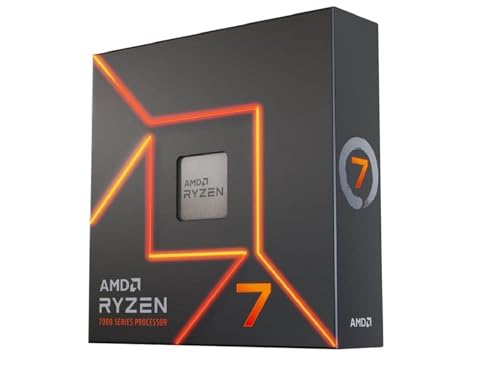
AMD Ryzen 7 8-Core AM5 Processor
Best for: AM5 builds needing high boost clocks
- Core Count
- 8 Cores (what this guide is about)
- Thread Count
- 16 threads
- CPU Socket
- Socket AM5
- Max Boost Clock
- 5.4 GHz
- Base Clock
- 4.5GHz
- Cache Size
- 80 MB
The AMD Ryzen 7 7700X is an 8-core, 16-thread desktop processor built on AMD's Zen 4 architecture for Socket AM5 motherboards. It features a 4.5 GHz base clock, a 5.4 GHz max boost speed, and 80 MB of cache. It supports DDR5-5200 system memory and PCIe 5.0 lanes on compatible chipsets. You will find this processor suitable if you want high clock speeds and current-generation platform connectivity for your desktop setup.
Pros
- 5.4 GHz maximum boost clock and 4.5 GHz base clock
- Supports DDR5-5200 memory and PCIe 5.0 connectivity
- 80 MB total cache pool
- Unlocked multiplier for user overclocking
Cons
- No thermal cooling unit included in the box
- Requires a Socket AM5 motherboard rather than older AM4 sockets
Good fit if
- You build on a Socket AM5 motherboard using DDR5 memory.
- You want an 8-core chip with boost speeds reaching 5.4 GHz.
- You plan to supply your own dedicated processor cooler.
Skip if
- You want a boxed processor that includes a bundled cooler.
- You intend to keep your existing Socket AM4 motherboard.
Verdict: AMD Ryzen 7 7700X 8-Core AM5 Processor delivers strong clock speeds up to 5.4 GHz alongside modern DDR5 and PCIe 5.0 interface support. It provides balanced 8-core computing for AM5 systems as long as you supply a compatible cooler.

AMD Ryzen 7 7800X3D 8-Core Processor
Best for: Cache-heavy tasks and integrated graphics setups
- Core Count
- 8 Cores (what this guide is about)
- Thread Count
- 16 threads
- Base Clock
- 4.20 GHz
- Cache Size
- 8 MB L2 plus 96 MB L3
- Integrated Graphics
- AMD Radeon Graphics
- Series
- Ryzen 7
The AMD Ryzen 7 7800X3D Desktop Processor gives you 8 cores and 16 threads built on 5 nm process technology. It features a 4.20 GHz clock speed alongside a large 96 MB L3 cache and 8 MB L2 cache. An integrated AMD Radeon Graphics controller runs at 2200 MHz. This chip suits you if you need dense cache memory and multi-threaded performance.
Pros
- 96 MB L3 cache plus 8 MB L2 cache
- Built on 5 nm process technology
- Integrated AMD Radeon Graphics running at 2200 MHz
- 4.20 GHz clock speed across 8 cores and 16 threads
Cons
- Maximum operating temperature is limited to 89°C
- No boost clock speed listed in the specifications
Good fit if
- You want 96 MB of L3 cache for cache-sensitive tasks.
- You need built-in graphics without adding a dedicated video card.
- You require 16 threads on a 5 nm manufacturing process.
Skip if
- You need more than 8 cores for heavily threaded production work.
- You require an operating temperature limit higher than 89°C.
Verdict: AMD Ryzen 7 7800X3D Desktop Processor delivers 8 cores, 16 threads, and a substantial 96 MB L3 cache on 5 nm hardware. It provides a balanced 4.20 GHz clock speed alongside integrated Radeon graphics for capable multi-threaded performance.

AMD Ryzen 7 5700 8-Core Processor
Best for: AM4 upgrades needing eight cores and bundled cooling
- Core Count
- 8 Cores (what this guide is about)
- Thread Count
- 16 processing threads
- CPU Socket
- Socket AM4
- Max Boost Clock
- 4.6 GHz
- Series
- Ryzen 7
- Length
- 1.57 inches
The AMD Ryzen 7 5700 gives you 8 cores and 16 threads built on AMD's Zen 3 architecture for Socket AM4 systems. It features a 4.6 GHz max boost clock, DDR4 memory support, and an unlocked multiplier for overclocking. AMD also bundles a Wraith Spire cooler right in the box. This processor fits your build if you want an eight-core upgrade for an existing AM4 motherboard without buying a separate cooling fan.
Pros
- 8 cores and 16 processing threads on Zen 3 architecture
- Bundled AMD Wraith Spire cooler included
- Unlocked multiplier for overclocking
- Reaches up to 4.6 GHz max boost clock
Cons
- Restricted to the Socket AM4 platform
- Supports DDR4 memory only
- No integrated graphics listed in specifications
Good fit if
- You already own an AMD Socket AM4 motherboard and want an 8-core CPU.
- You want an included CPU cooler in the box rather than buying a separate heatsink.
- You plan to use DDR4 memory with an unlocked processor.
Skip if
- You are building a newer platform that requires DDR5 memory support.
- You need a processor designed for an AM5 or Intel motherboard socket.
Verdict: AMD Ryzen 7 5700 8-Core Processor delivers 8 cores and 16 threads for Socket AM4 motherboards with an included cooler and DDR4 support. It serves as a straightforward drop-in upgrade if you want unlocked multithreaded capability on AM4.
Specifications side by side
| Spec | Intel Core i9-9900K 8-Core Processor | Intel Xeon W-2245 8-Core Processor | Intel Core i9-9900K 8-Core Processor | AMD Ryzen Threadripper 1900X 8-Core Processor | Intel Core i7-9700K 8-Core Processor | AMD Ryzen 7 5800X Desktop Processor | Intel Core i7 8-Core Unlocked Processor | Intel Core i9-11900KF 8-Core Processor | Intel Core i7-11700KF 8-Core Processor | AMD Ryzen 7 5700G 8-Core Processor | AMD Ryzen 7 5700X 8-Core Desktop Processor | AMD Ryzen 7 5800X3D 8-Core Processor | AMD Ryzen 7 8-Core AM5 Processor | AMD Ryzen 7 7800X3D 8-Core Processor | AMD Ryzen 7 5700 8-Core Processor |
|---|---|---|---|---|---|---|---|---|---|---|---|---|---|---|---|
| Core Count | 8 Cores | 8 | 8 Cores | 8 Cores | 8 Cores | 8 cores | 8 Cores | 8 Cores | 8 cores | 8 cores | 8 cores | 8 Cores | 8 cores | 8 cores | 8 Cores |
| Thread Count | 16 Threads | 16 | 16 Threads | 16 Threads | 8 Threads | 16 threads | 16 Threads | not specified | not specified | 16 threads | 16 threads | 16 processing threads | 16 threads | 16 threads | 16 processing threads |
| CPU Socket | LGA1151 | FCLGA2066 | LGA1151 | not specified | LGA1151 | AM4 | LGA 1200 | LGA1200 | LGA1200 | Socket AM4 | Socket AM4 | Socket AM4 | Socket AM5 | not specified | Socket AM4 |
| Max Boost Clock | 5.00 GHz | 4.50 GHz | 5.00 GHz | 4.0 GHz | 4.90 GHz | 4.7 GHz | 5.1 GHz | 5.3 GHz | 5.0 GHz | 4.6 GHz | 4.6 GHz | 4.5 GHz | 5.4 GHz | not specified | 4.6 GHz |
| Base Clock | 3.60 GHz | 3.90 GHz | 3.60 GHz | not specified | 3.60 GHz | not specified | not specified | not specified | not specified | not specified | not specified | not specified | 4.5GHz | 4.20 GHz | not specified |
| Cache Size | 16 MB | 16.5 MB | 16 MB | 20MB | 12 MB | 36 MB | not specified | not specified | not specified | 20 MB | 36 MB | 100 MB | 80 MB | 8 MB L2 plus 96 MB L3 | not specified |
| Base Power | 95W | 155 W | 95W | not specified | 95W | not specified | 125W | 125W | 125W | not specified | not specified | not specified | not specified | not specified | not specified |
| Integrated Graphics | Intel UHD Graphics 630 | not specified | Intel UHD Graphics 630 | not specified | Intel UHD Graphics 630 | not specified | not specified | not specified | not specified | Radeon Graphics | Discrete graphics card required | not specified | not specified | AMD Radeon Graphics | not specified |
| Series | Core i9 | not specified | Core i9 | Ryzen Threadripper | Core i7 | Ryzen 7 | Core i7 | Core i9 | Core i7 | not specified | Ryzen 7 | Ryzen 7 | Ryzen 7 | Ryzen 7 | Ryzen 7 |
| TDP | 95W | not specified | 95W | not specified | 95W | not specified | 125W | 125W | 125W | not specified | not specified | not specified | not specified | not specified | not specified |
| Dimensions | 2.91 × 4.41 × 4.61 inches | not specified | 2.91 × 4.41 × 4.61 inches | 3.1 × 2.2 × 0.3 inches | 4.57 × 3.98 × 2.76 inches | 1.57 × 1.57 × 0.24 inches | 7.09 × 6.3 × 3.94 inches | 1.5 × 1.5 × 0.2 inches | 1.5 × 1.5 × 0.2 inches | 1.57 × 1.57 × 0.24 inches | 1.57 × 1.57 × 0.24 inches | 1.57 × 1.57 × 0.24 inches | 4.92 × 1.38 × 4.92 inches | 5.12 × 3.58 × 5.08 inches | not specified |
| Weight | not specified | 1 pounds | not specified | 1.9 pounds | 1.59 ounces | 2.8 ounces | not specified | 2.47 ounces | 1.8 ounces | 14.5 ounces | 4.2 ounces | 3.5 ounces | 2.8 ounces | 11.7 ounces | 1.76 ounces |
| Length | not specified | not specified | not specified | not specified | not specified | not specified | not specified | not specified | not specified | not specified | not specified | not specified | not specified | not specified | 1.57 inches |
| Width | not specified | not specified | not specified | not specified | not specified | not specified | not specified | not specified | not specified | not specified | not specified | not specified | not specified | not specified | 1.57 inches |
| Model | SRELS | SRH02 | BX80684I99900K | 116727 | BX80684I79700K | AMD Ryzen 7 5800X | i7-10700K | BX8070811900KF | BX8070811700KF | AMD Ryzen 7 5700G | AMD Ryzen 7 5700X | 730143313797 (or) 100-000000651 | RYZEN 7 7700X | AMD Ryzen 7 7800X3D | AMD Ryzen™ 5 5700 |
| Size | not specified | not specified | I9-9900K | Processor | I7-9700K | XX-Large | 1.5"x1.5" | 1.5"x1.5" | 1.5"x1.5" | not specified | not specified | XX | not specified | not specified | not specified |
| Color | not specified | not specified | not specified | not specified | not specified | Black | not specified | not specified | not specified | Model | Ceramic Gray | Ceramic Gray | AMD Ryzen 7 7700X | Classic | Gray |
If you need kitchen tools rather than computer hardware, examine specs for the best food processors for chop.
How to Choose an 8-Core Processor
-
Check Processing Thread Count
While every CPU on this list has eight physical cores, thread counts differ across models. Most eight-core processors provide 16 threads to handle heavy multitasking and parallel compute tasks. However, some processors omit multi-threading. For example, the Intel Core i7-9700K 8-Core Processor features eight cores without hyper-threading, giving you eight total threads. If your workflow involves rendering or compiling, 16 threads offer distinct processing benefits. If you only run lighter background tasks, an eight-thread processor can meet your everyday desktop requirements cleanly.
-
Verify Integrated Graphics Availability
Determine whether you plan to use a discrete graphics card before selecting a processor. Certain eight-core processors lack integrated graphics silicon entirely, meaning your system will not output a display signal without a standalone video card. Other chips include built-in graphics hardware directly on the die. For instance, the AMD Ryzen 7 5700G 8-Core Processor features integrated graphics, allowing you to connect a monitor straight to your motherboard display ports. If you build a compact desktop or basic office PC, onboard display support saves you from installing an extra card.
-
Review Thermal Design Power
Check the Thermal Design Power spec to ensure your cooling hardware and power delivery are sufficient. TDP values among eight-core CPUs range from lower ratings up to 125W. Higher TDP processors draw more power under sustained load and generate substantial thermal output. For instance, the Intel Core i7 8-Core Unlocked Processor carries a 125W TDP, demanding a robust CPU cooler and adequate motherboard power delivery. If you select a chip with a higher wattage rating, verify that your chassis airflow and power supply can sustain the increased demands.
-
Check Bundled Cooler Inclusions
Pay attention to whether a thermal solution comes packaged in the box. Many high-performance eight-core desktop processors do not include a heatsink or fan, requiring you to source aftermarket hardware separately. The AMD Ryzen 7 5800X Desktop Processor ships without a stock cooler, so you must allocate space and mounting gear for your own cooler. When a processor excludes cooling hardware, you need to verify socket compatibility and height clearances for the thermal unit you purchase. Planning your physical layout and clearance accordingly prevents unexpected assembly delays during your build.
-
Evaluate Level 3 Cache
Examine the Level 3 cache capacity when comparing processors for compute-heavy applications. Standard eight-core desktop CPUs feature moderate cache pools, whereas specialized models integrate extra memory directly onto the processor die. For example, the AMD Ryzen 7 7800X3D 8-Core Processor provides an expanded 96 MB L3 cache pool. Large cache reserves keep frequently accessed data close to the cores, reducing latency and reliance on system RAM. If your daily workloads or applications depend heavily on low-latency data access, prioritize models equipped with expanded cache specifications.
-
Distinguish Workstation From Desktop Sockets
Match the CPU class to your intended system architecture. Mainstream eight-core processors use standard desktop sockets, while enterprise-grade options target dedicated workstation motherboards with specialized chipset ecosystems. The Intel Xeon W-2245 8-Core Processor installs strictly into LGA 2066 socket motherboards. Choosing a workstation processor requires compatible enterprise boards that support specific workstation memory and stability standards. If you are upgrading a typical consumer desktop, verify socket nomenclature carefully so you do not pair a workstation CPU with a standard consumer board.
Frequently asked questions
Do all 8-core processors include integrated graphics?
No, integrated display capability depends on the specific processor model. For example, the Intel Core i9-9900K features Intel UHD Graphics 630, and the AMD Ryzen 7 7800X3D provides integrated Radeon graphics. The AMD Ryzen 7 5700G also includes built-in graphics. Conversely, models like the AMD Ryzen 7 5700X explicitly require a dedicated graphics card to display video on your monitor.
What TDP ratings should you expect on 8-core desktop processors?
TDP ratings in this category vary between 95W and 125W depending on architecture. The Intel Core i9-9900K and Intel Core i7-9700K feature a 95W TDP for compatible LGA 1151 motherboards. Meanwhile, LGA 1200 chips like the Intel Core i7-10700K, Intel Core i9-11900KF, and Intel Core i7-11700KF are rated at a higher 125W TDP, demanding capable cooling hardware to handle sustained loads.
Do 8-core desktop processors include bundled cooling hardware?
Most desktop processors with 8 cores do not include a stock cooler in the box. Models like the AMD Ryzen 7 5800X, Ryzen 7 5800X3D, and Intel Core i7-11700KF require you to supply separate cooling hardware. However, select options do bundle a thermal solution. The AMD Ryzen 7 5700G comes packaged with a Wraith Stealth cooler, and the AMD Ryzen 7 5700 also includes a cooler.
What clock speeds do these 8-core processors reach?
Clock frequencies span a wide range across these 8-core models. The AMD Ryzen 7 7700X reaches up to 5.4 GHz, while the Intel Core i9-11900KF delivers up to 5.3 GHz. The Intel Core i7-10700K offers speeds up to 5.1 GHz. Furthermore, both the Intel Core i9-9900K and Intel Core i7-11700KF hit maximum frequencies of 5.0 GHz, while the Intel Core i7-9700K reaches a 4.90 GHz turbo clock.
How much cache do 3D V-Cache 8-core processors have?
Processors featuring 3D V-Cache technology offer substantially expanded storage capacity compared to standard configurations. The AMD Ryzen 7 5800X3D delivers 100 MB of total cache on the AM4 socket. Meanwhile, the AMD Ryzen 7 7800X3D provides a 96 MB L3 cache built on a 5 nm manufacturing process. This extra cache capacity allows the processor to retain critical data closer to the cores during intensive computing tasks.
Which Intel 8-core processors fit LGA 1200 motherboards?
Three Intel 8-core options on this list use the LGA 1200 socket: the Intel Core i7-10700K, the Intel Core i7-11700KF, and the Intel Core i9-11900KF. Each of these models operates at a 125W TDP rating and features unlocked tuning capability. They are physically designed for LGA 1200 boards and will not install into older LGA 1151 motherboards used by processors like the Core i9-9900K.
Can you run an Intel Xeon 8-core processor on a standard desktop motherboard?
No, the Intel Xeon W-2245 processor installs into an LGA 2066 socket, which is built for dedicated workstation platforms rather than mainstream consumer desktop boards. It features 8 cores, 16 threads, and a 3.90 GHz base clock. To use this processor, you need a motherboard specifically equipped with an LGA 2066 CPU socket to provide the required pin layout and system compatibility.