The Best AMD Processors in 2026: 15 Picks
As an Amazon Associate we earn from qualifying purchases. Links on this page are affiliate links.
You can choose from the best AMD processors for needs ranging from basic office tasks to heavy workstation rendering. This list covers 15 options, including compact chips and high-core-count models like the top pick, the Ryzen 9 5900X, which leads for high-demand gaming and productivity. We ranked these picks strictly by the specifications published on their listings. The data includes core counts, clock speeds, and physical dimensions to help you match the right processor to your build.
Our top pick: AMD Ryzen 9 5900X 12-Core Processor.
Quick picks
Our 15 picks
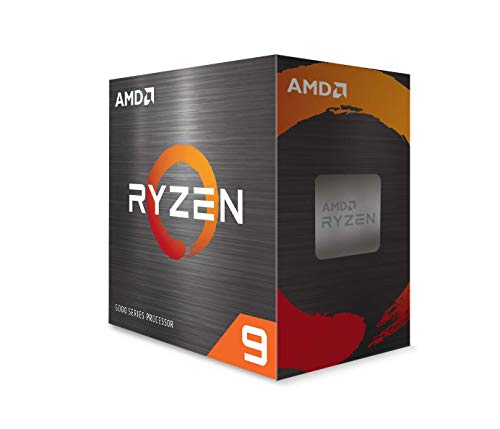
AMD Ryzen 9 5900X 12-Core Processor
Best for: high-demand gaming and heavy multi-threaded productivity
- Core Count
- 12 cores
- Thread Count
- 24 threads
- Max Boost Clock
- 4.8 GHz
- Cache Size
- 70 MB
- Series
- Ryzen 9
- Dimensions
- 1.57 × 1.57 × 0.24 inches
View on Amazon: AMD Ryzen 9 5900X 12-Core Processor Affiliate link
This renewed AMD Ryzen 9 5900X is a 12-core desktop processor built with 24 processing threads for heavy computing workloads. You get a 4.8 GHz max boost clock speed, 70 MB of cache, and support for DDR-3200 system memory. It is unlocked for overclocking if you tune clock frequencies. This chip suits you if you need high multi-threaded capacity for gaming or intensive productivity tasks.
Pros
- 12 cores and 24 processing threads
- 4.8 GHz maximum boost clock
- 70 MB cache
- Unlocked for overclocking
Cons
- Cooler not included in the package
- Maximum operating temperature capped at 90°C
Good fit if
- You need 12 cores and 24 threads for multi-threaded applications.
- You plan to provide your own high-performance cooler.
- You want an unlocked processor with boost speeds up to 4.8 GHz.
Skip if
- You require a bundled stock cooler in the box.
- You do not want a renewed hardware unit.
Verdict: AMD Ryzen 9 5900X 12-Core Processor provides 24 threads, a 4.8 GHz boost clock, and 70 MB of cache for demanding desktop tasks. It gives you unlocked clock controls but requires separate cooling hardware.

AMD Ryzen 7 5700X3D 8-Core
Best for: balanced 8-core desktop builds
- Core Count
- 8 cores
- Thread Count
- 16 threads
- CPU Socket
- AM4
- Series
- Ryzen 7
- Dimensions
- 1.57 × 1.57 × 0.1 inches
- Weight
- 1.8 ounces
View on Amazon: AMD Ryzen 7 5700X3D 8-Core Affiliate link
This AMD Ryzen 7 5700X3D is an 8-core, 16-thread desktop processor. It measures 1.57 by 1.57 inches and weighs 1.8 ounces. The gray unit offers a compact form factor for standard builds. You will find it suitable for tasks that benefit from multiple threads. It serves as a balanced option for users who do not need the highest core counts available in the current market.
Pros
- 8 physical cores for multi-threaded workloads
- 16 threads for improved parallel processing
- Compact 1.57-inch square footprint
- Lightweight 1.8-ounce design
Cons
- Fewer cores than the 12-core and 32-core competitors on this list
- Lower thread count compared to higher-end models with 24 or more threads
- Smaller core count limits maximum multi-core performance ceiling
Good fit if
- You need a balanced 8-core processor for general gaming and productivity
- You prefer a compact processor footprint for smaller cases
- You want a lightweight CPU that reduces overall system weight
Skip if
- You require more than 8 cores for heavy rendering or simulation
- You need the highest possible thread count for extreme multitasking
- You are building a workstation requiring 12 or more cores
Verdict: AMD Ryzen 7 5700X3D 8-Core is a compact, lightweight processor with 8 cores and 16 threads. It fits users who need balanced performance without the bulk of higher-core models.

AMD Ryzen 7 8-Core Desktop Processor
Best for: AM5 gaming builds
- Core Count
- 8 cores
- Thread Count
- 16 threads
- CPU Socket
- AM5
- Max Boost Clock
- 5.0 GHz
- Base Clock
- 4.2 GHz
- Cache Size
- 96MB L3
View on Amazon: AMD Ryzen 7 8-Core Desktop Processor Affiliate link
The AMD Ryzen 7 7800X3D is an 8-core, 16-thread processor built on the Zen 4 architecture. It features a base clock of 4.2 GHz and a max boost of 5.0 GHz. With 96MB of L3 cache and a 120W TDP, it targets gamers seeking high performance on the AM5 socket with DDR5 memory support. This chip suits users prioritizing gaming efficiency and modern platform compatibility.
Pros
- 8 cores and 16 threads for strong multitasking
- 96MB L3 cache enhances gaming performance
- Max boost clock reaches 5.0 GHz
- Compatible with DDR5 memory on AM5 socket
Cons
- 120W thermal design power is higher than some efficient alternatives
- 8 core count is lower than 12-core competitors on this list
Good fit if
- You want high clock speeds for gaming
- You are building on the AM5 platform
- You need DDR5 memory support
Skip if
- You require more than 8 cores
- You are sticking to the older AM4 socket
- You need a processor with lower power consumption
Verdict: The AMD Ryzen 7 7800X3D fits gamers who want high boost speeds and large cache on the AM5 platform. It is a solid choice for those prioritizing gaming performance over raw core counts.
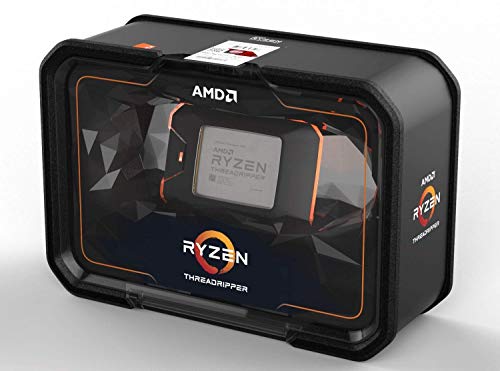
AMD Ryzen Threadripper 2990WX 32-Core
Best for: heavy workstation workloads and rendering
- Core Count
- 32 cores
- Thread Count
- 64 threads
- Max Boost Clock
- 4.2 GHz
- Base Clock
- 3GHz
- Cache Size
- 80MB
- Base Power
- 250W
View on Amazon: AMD Ryzen Threadripper 2990WX 32-Core Affiliate link
The AMD Ryzen Threadripper 2990WX is a 32-core, 64-thread desktop processor designed for extreme multitasking. It features a 4.2 GHz max boost and 80MB of cache memory. The 250W TDP indicates high power consumption. You need a compatible motherboard and cooling solution, as the cooler is not included. This chip suits users running heavy workloads that benefit from massive core counts.
Pros
- 32 cores and 64 threads for heavy multitasking
- 4.2 GHz max boost speed
- 80MB cache memory
- Quad channel DDR4 support
Cons
- 250W TDP requires robust cooling
- CPU cooler not included in the box
- 12nm process technology is older than newer Ryzen chips
Good fit if
- You run multi-threaded professional applications like 3D rendering
- You need maximum core count for virtualization
- You have a high-end workstation platform
Skip if
- You want a cooler included with the processor
- You prioritize power efficiency over raw core count
- You are building a standard gaming PC
Verdict: The AMD Ryzen Threadripper 2990WX 32-Core delivers exceptional parallel processing power for workstation tasks. It fits professionals who need 32 cores for rendering or simulation but requires careful planning for cooling and power.

AMD A10-5800K 3.8 GHz Processor
Best for: Basic desktop computing and DirectX 11 gaming
- Base Clock
- 3.8 GHz
- Dimensions
- 12.4 × 5 × 7.1 inches
- Weight
- 3.53 ounces
View on Amazon: AMD A10-5800K 3.8 GHz Processor Affiliate link
This AMD A Series processor runs at 3.8 GHz. It supports DirectX 11 for gaming and includes App Acceleration to speed up everyday tasks. The unit weighs 3.53 ounces and measures 5 inches wide. It fits users who need basic desktop performance. You get steady video playback and quick streaming features. It is a solid option for standard computing needs.
Pros
- 3.8 GHz base clock speed
- Supports DirectX 11
- Includes AMD App Acceleration
- Weighs 3.53 ounces
Cons
- Lower clock speed than modern Ryzen options
- Older FM2 socket architecture
- Heavier packaging dimensions
Good fit if
- You need a budget-friendly desktop CPU
- You play games supporting DirectX 11
- You want steady video playback
Skip if
- You require high-end gaming performance
- You need the latest AMD socket
- You want multi-threaded productivity power
Verdict: AMD A10-5800K 3.8 GHz Processor offers basic 3.8 GHz performance for everyday tasks. It suits users who prioritize cost over modern multi-core power.

AMD Dual-Core Processor with Radeon HD7480D
Best for: Socket FM2 desktop builds needing integrated graphics
- Core Count
- Dual Core
- CPU Socket
- Socket FM2
- Base Power
- 65W
- Integrated Graphics
- Radeon HD7480D
- Dimensions
- 4.65 × 3.5 × 2.5 inches
- Weight
- 8.8 ounces
View on Amazon: AMD Dual-Core Processor with Radeon HD7480D Affiliate link
This AMD processor combines a dual-core CPU with integrated Radeon HD7480D graphics on the Socket FM2 platform. Operating at a 65W base power rating, it features AMD Turbo Core 3.0 technology and an unlocked multiplier. If you maintain or build an FM2 desktop system requiring built-in display output without an add-in graphics card, this chip provides basic dual-core hardware.
Pros
- Integrated Radeon HD7480D graphics
- Unlocked multiplier
- AMD Turbo Core 3.0 support
- 65W base power rating
Cons
- Limited to dual-core computing
- Requires Socket FM2 motherboards
Good fit if
- You need a drop-in replacement processor for a Socket FM2 motherboard.
- You want integrated Radeon HD7480D graphics without adding a separate video card.
- You prefer an unlocked dual-core processor with a 65W power draw.
Skip if
- You use an AM4 or newer motherboard platform.
- You need more than two processing cores for multi-threaded tasks.
Verdict: AMD Dual-Core FM2 Processor with Radeon HD7480D supplies built-in graphics and an unlocked design for compatible FM2 motherboards. It delivers essential dual-core processing within a 65W power envelope.

AMD Radeon HD8670D Quad Core
Best for: Basic desktop computing with integrated graphics
- Core Count
- Quad Core
- CPU Socket
- Socket FM2
- Base Power
- 65W
- Integrated Graphics
- Radeon HD8670D GPU
- Dimensions
- 12.4 × 7.09 × 4.96 inches
- Weight
- 3.53 ounces
View on Amazon: AMD Radeon HD8670D Quad Core Affiliate link
This AMD processor features a quad-core CPU paired with Radeon HD8670D integrated graphics. It uses the FM2 socket and supports Dual Graphics for enhanced performance. The chip runs at 4.2 GHz with AMD Turbo Core 3.0 technology. It is an unlocked unit with a 65W thermal design power. This setup suits users needing basic desktop computing with modest graphical capabilities.
Pros
- Quad Core CPU architecture
- Integrated Radeon HD8670D GPU
- Unlocked for overclocking
- Dual Graphics Support
Cons
- Lower core count than the 12-core and 8-core options on this list
- Older FM2 socket limits upgrade paths compared to newer platforms
Good fit if
- You need a budget-friendly quad-core processor for basic tasks
- You want integrated graphics without a separate video card
- You are building a system using the FM2 socket
Skip if
- You require high-end multi-threaded performance for heavy workloads
- You are building a modern system with current-generation sockets
- You need dedicated graphics processing power for gaming
Verdict: AMD A10-6800K Quad Core FM2 fits users who need a simple, unlocked quad-core CPU with integrated graphics for everyday desktop use. It is a practical option for FM2-based builds rather than high-performance gaming or content creation rigs.

AMD A6-6400K 3.9GHz Quad-Core Processor
Best for: Basic office tasks and light media use
- Core Count
- Quad Core
- CPU Socket
- Socket FM2
- Base Power
- 65W
- Integrated Graphics
- Radeon HD8470D GPU
- Dimensions
- 12.4 × 5 × 7.1 inches
- Weight
- 8.82 ounces
View on Amazon: AMD A6-6400K 3.9GHz Quad-Core Processor Affiliate link
This AMD A6 processor delivers quad-core performance with a 3.9 GHz base clock speed. It integrates Radeon HD8470D graphics and supports Socket FM2 motherboards. The 65W thermal design power keeps energy use moderate. You will benefit from AMD Turbo Core 3.0 for dynamic speed adjustments. It suits users needing basic desktop computing and light media tasks without requiring a discrete graphics card.
Pros
- Quad-core CPU architecture for multitasking
- 3.9 GHz base clock speed
- Integrated Radeon HD8470D GPU
- Socket FM2 compatibility
- 65W TDP for efficient power use
Cons
- Lower core count compared to the 12-core and 8-core options on this list
- Integrated graphics performance is limited for modern gaming compared to dedicated solutions
- Older Socket FM2 platform lacks support for newer DDR5 memory and PCIe standards
Good fit if
- You need a budget-friendly CPU for basic office work
- You are building a simple desktop using Socket FM2 hardware
- You require integrated graphics for video playback without a separate card
Skip if
- You need high-end gaming performance
- You require heavy multi-threaded workloads like video editing
- You want the latest platform features and memory support
Verdict: AMD A6-6400K 3.9GHz Quad-Core Processor fits users who need reliable basic computing on the older FM2 platform. It is a practical option for light tasks and integrated graphics needs.

AMD HD8570D Quad Core FM2
Best for: FM2 platform upgrades with integrated graphics
- Core Count
- Quad Core
- CPU Socket
- Socket FM2
- Base Power
- 100W
- Integrated Graphics
- Radeon HD8570D GPU
- Dimensions
- 12.4 × 5 × 7.1 inches
- Weight
- 3.88 ounces
View on Amazon: AMD HD8570D Quad Core FM2 Affiliate link
This AMD processor features a quad-core CPU paired with Radeon HD8570D graphics. It uses the FM2 socket and supports Dual Graphics for enhanced performance. The unlocked design allows for manual tuning, while AMD Turbo Core 3.0 manages clock speeds. It draws 100W of power. This chip suits users needing basic desktop computing with integrated graphics capabilities on older FM2 platforms.
Pros
- Quad Core CPU architecture
- Integrated Radeon HD8570D GPU
- Unlocked for overclocking
- Dual Graphics Support
Cons
- 100W TDP is higher than many modern efficient chips
- FM2 socket is an older generation platform
- Quad Core count is lower than high-end competitors
Good fit if
- You are building a budget PC on an FM2 motherboard
- You need integrated graphics for light tasks
- You want an unlocked processor for manual tuning
Skip if
- You require modern AM4 or AM5 socket compatibility
- You need more than four processing cores
- You are building a high-performance gaming rig
Verdict: AMD AD660KWOHLBOX 4-Core FM2 Processor fits users upgrading older FM2 systems who need basic integrated graphics. It offers unlocked performance tuning for enthusiasts comfortable with legacy hardware.

AMD Richland A8-6600K Black Edition
Best for: legacy FM2 socket desktop builds
- Core Count
- Quad Core
- CPU Socket
- FM2
- Base Clock
- 3.9Ghz
View on Amazon: AMD Richland A8-6600K Black Edition Affiliate link
The AMD Richland A8-6600K Black Edition is a quad-core desktop processor built on the FM2 socket. It features a base clock speed of 3.9 GHz. This model is designed for users seeking a straightforward, unlocked CPU for standard computing tasks. It fits well in systems requiring a reliable, older-generation AMD chip for budget builds or specific legacy hardware compatibility.
Pros
- Quad-core architecture for solid multitasking
- 3.9 GHz base clock speed
- FM2 socket compatibility for older platforms
- Black Edition unlocked for potential overclocking
Cons
- Only four cores compared to higher-end options
- Older FM2 socket limits modern upgrade paths
- Lower core count than contemporary Ryzen processors
Good fit if
- You need a reliable CPU for legacy FM2 systems
- You are building a budget desktop with existing parts
- You want a straightforward quad-core processor for general use
Skip if
- You require modern AM4 or AM5 socket compatibility
- You need more than four cores for heavy workloads
- You are looking for the latest generation AMD technology
Verdict: The AMD Richland A8-6600K Black Edition is a capable quad-core processor for users maintaining older FM2-based systems. It offers a solid 3.9 GHz clock speed for general desktop tasks and legacy hardware compatibility.

AMD A10-7700K FM2+ APU
Best for: Budget desktops with integrated graphics
- CPU Socket
- Socket FM2+
- Integrated Graphics
- Radeon R7 Graphics
- Dimensions
- 5.5 × 5 × 2.8 inches
- Weight
- 10.6 ounces
View on Amazon: AMD A10-7700K FM2+ APU Affiliate link
The AMD A10-7700K is a quad-core desktop processor built for Socket FM2+. It integrates Radeon R7 graphics, allowing you to skip a discrete GPU for basic tasks. The unit weighs 10.6 ounces and measures 5.5 inches in length. This APU suits users who need integrated graphics for office work or light media consumption without the bulk of a dedicated video card.
Pros
- Socket FM2+ compatibility
- Integrated Radeon R7 graphics
- H.S.A. Architecture support
- Quad-core processing power
Cons
- Older Socket FM2+ platform limits upgrade paths
- Integrated graphics lack performance for modern gaming
- Heavier build at 10.6 ounces compared to lighter modern chips
Good fit if
- You need a budget desktop with integrated graphics
- You are upgrading an existing FM2+ system
- You require basic office and media processing
Skip if
- You want to play modern AAA games
- You are building a new system from scratch
- You need high-end multi-threaded performance
Verdict: The AMD A10-7700K FM2+ APU is a solid choice for legacy system upgrades or budget builds requiring basic integrated graphics. It fits users who prioritize cost-effective office computing over high-end gaming or modern platform features.
AMD A10-7850K APU
Best for: Basic home and office PCs on FM2+
- CPU Socket
- Socket FM2+
- Integrated Graphics
- Radeon R7 Graphics
- Dimensions
- 5.5 × 5 × 2.8 inches
- Weight
- 10.6 ounces
View on Amazon: AMD A10-7850K APU Affiliate link
The AMD A10-7850K is a desktop processor built for the Socket FM2+ platform. It features integrated Radeon R7 Graphics, which handles visual output without needing a separate video card. This H.S.A. Architecture design allows the CPU and GPU to share resources efficiently. You should consider this unit if you need a complete system solution in a single chip. It suits users who want basic graphics capability alongside standard processing tasks.
Pros
- Supports Socket FM2+ motherboards
- Includes Radeon R7 Graphics
- Uses H.S.A. Architecture for resource sharing
- Sold as CPU Only unit
Cons
- Uses older FM2+ socket instead of modern AM5
- Integrated graphics performance is lower than dedicated GPUs
- Four cores limit heavy multitasking compared to 12-core options
Good fit if
- You are building a budget PC with existing FM2+ parts
- You need integrated graphics for basic display output
- You want a simple single-chip solution for light tasks
Skip if
- You require high-end gaming performance
- You plan to use modern AM5 motherboards
- You need heavy multi-core processing power
Verdict: The AMD A10-7850K APU fits users who need basic integrated graphics and are upgrading older FM2+ systems. It is not suitable for modern gaming or heavy workloads.

AMD A10-5800K 3.8 GHz Quad-Core
Best for: Basic desktop computing on FM2 systems
- CPU Socket
- FM2
- Base Clock
- 3800MHZ
- Cache Size
- 4MB
- Base Power
- 100W
View on Amazon: AMD A10-5800K 3.8 GHz Quad-Core Affiliate link
This AMD A10-5800K processor offers quad-core performance at a base clock of 3.8 GHz. It uses the FM2 socket and includes 4 MB of cache. The unit is rated at 100W TDP. It suits users seeking a straightforward desktop CPU for basic computing tasks. The specifications provide a reliable foundation for everyday applications without requiring complex cooling solutions.
Pros
- Quad-core architecture for multitasking
- 3.8 GHz base clock speed
- 4 MB cache for data access
- 100W thermal design power
Cons
- Older FM2 socket limits upgrade paths
- Lower core count compared to modern Ryzen options
- Base clock speed is lower than current high-end models
Good fit if
- You need a budget-friendly desktop processor
- You are upgrading an existing FM2 system
- You require basic quad-core performance
Skip if
- You need the latest AM5 socket compatibility
- You require high-end gaming performance
- You want multi-threaded productivity power
Verdict: AMD A10-5800K 3.8 GHz Quad-Core fits users maintaining older FM2 platforms who need reliable basic processing power. It is a practical option for light desktop use where high core counts are unnecessary.
AMD A10-7870K Black Edition
Best for: AM3 socket upgrades with integrated graphics
- CPU Socket
- Socket AM3
- Dimensions
- 4.6 × 4.9 × 2.9 inches
- Weight
- 15.2 ounces
View on Amazon: AMD A10-7870K Black Edition Affiliate link
The AMD A10-7870K Black Edition is a desktop processor built for socket AM3. It features a base clock of 2.8 GHz and integrates Radeon graphics. This unit measures 4.9 inches wide and weighs 15.2 ounces. It is designed for users seeking straightforward performance without complex configurations. The processor supports Windows 10 and targets online gaming needs.
Pros
- Socket AM3 compatibility for easy upgrades
- Integrated Radeon graphics for basic display needs
- Windows 10 ready for modern operating systems
Cons
- Low 2.8 GHz base clock speed compared to modern multi-core chips
- Heavier 15.2 ounces build with larger 4.9-inch footprint
- Single-purpose design focused on basic gaming rather than heavy multitasking
Good fit if
- You need a simple upgrade for an existing AM3 socket system
- You prioritize integrated graphics over high-speed processing
- You want a processor that is ready for Windows 10
Skip if
- You require high core counts for professional workloads
- You need a compact form factor with lower weight
- You are building a new system with modern sockets
Verdict: The AMD A10-7870K Black Edition fits users upgrading older AM3 systems who need basic gaming performance and integrated graphics. It is not suitable for those seeking high-speed multi-core processing or modern socket compatibility.

AMD A10-Series Quad-Core APU
Best for: basic multi-display FM2+ desktop builds
- Core Count
- 4 Core
- CPU Socket
- Socket Fm2+
- Max Boost Clock
- 4 Ghz
- Base Clock
- 3.60 Ghz
- Cache Size
- 4 Mb
- Base Power
- 65 W
View on Amazon: AMD A10-Series Quad-Core APU Affiliate link
The AMD A10 Quad-Core APU with Radeon R7 provides a 4-core desktop processor built on a 28 nm process for Socket FM2+ motherboards. It features a 3.60 GHz base clock with a 4 GHz boost speed and integrated AMD Radeon R7 series graphics. You get native support for up to 4 monitors and a 65 W base power rating. It suits you if you need a basic multi-display setup.
Pros
- Integrated AMD Radeon R7 Series graphics
- Supports up to 4 monitors
- Modest 65 W base power draw
- 3.60 GHz base clock with 4 GHz max boost
Cons
- Requires older Socket FM2+ motherboard
- Small 4 MB cache size
- Built on older 28 nm process
Good fit if
- You have a Socket FM2+ motherboard
- You want to connect up to 4 monitors without a separate card
- You need a quad-core processor rated at 65 W
Skip if
- You plan to build on modern AM4 or AM5 platforms
- You require more than 4 cores or more than 4 MB cache
Verdict: AMD A10 Quad-Core APU with Radeon R7 delivers quad-core compute and multi-monitor output for Socket FM2+ platforms. Its 65 W power rating and built-in graphics keep system requirements simple.
Specifications side by side
| Spec | AMD Ryzen 9 5900X 12-Core Processor | AMD Ryzen 7 5700X3D 8-Core | AMD Ryzen 7 8-Core Desktop Processor | AMD Ryzen Threadripper 2990WX 32-Core | AMD A10-5800K 3.8 GHz Processor | AMD Dual-Core Processor with Radeon HD7480D | AMD Radeon HD8670D Quad Core | AMD A6-6400K 3.9GHz Quad-Core Processor | AMD HD8570D Quad Core FM2 | AMD Richland A8-6600K Black Edition | AMD A10-7700K FM2+ APU | AMD A10-7850K APU | AMD A10-5800K 3.8 GHz Quad-Core | AMD A10-7870K Black Edition | AMD A10-Series Quad-Core APU |
|---|---|---|---|---|---|---|---|---|---|---|---|---|---|---|---|
| Core Count | 12 cores | 8 cores | 8 cores | 32 cores | not stated | Dual Core | Quad Core | Quad Core | Quad Core | Quad Core | not stated | not stated | not stated | not stated | 4 Core |
| Thread Count | 24 threads | 16 threads | 16 threads | 64 threads | not stated | not stated | not stated | not stated | not stated | not stated | not stated | not stated | not stated | not stated | not stated |
| CPU Socket | not stated | AM4 | AM5 | not stated | not stated | Socket FM2 | Socket FM2 | Socket FM2 | Socket FM2 | FM2 | Socket FM2+ | Socket FM2+ | FM2 | Socket AM3 | Socket Fm2+ |
| Max Boost Clock | 4.8 GHz | not stated | 5.0 GHz | 4.2 GHz | not stated | not stated | not stated | not stated | not stated | not stated | not stated | not stated | not stated | not stated | 4 Ghz |
| Base Clock | not stated | not stated | 4.2 GHz | 3GHz | 3.8 GHz | not stated | not stated | not stated | not stated | 3.9Ghz | not stated | not stated | 3800MHZ | not stated | 3.60 Ghz |
| Cache Size | 70 MB | not stated | 96MB L3 | 80MB | not stated | not stated | not stated | not stated | not stated | not stated | not stated | not stated | 4MB | not stated | 4 Mb |
| Base Power | not stated | not stated | 120W | 250W | not stated | 65W | 65W | 65W | 100W | not stated | not stated | not stated | 100W | not stated | 65 W |
| Integrated Graphics | not stated | not stated | Integrated | not stated | not stated | Radeon HD7480D | Radeon HD8670D GPU | Radeon HD8470D GPU | Radeon HD8570D GPU | not stated | Radeon R7 Graphics | Radeon R7 Graphics | not stated | not stated | Amd Radeon R7 Series Graphics |
| Series | Ryzen 9 | Ryzen 7 | Ryzen 7 | Ryzen Threadripper | not stated | not stated | not stated | not stated | not stated | not stated | not stated | not stated | not stated | not stated | not stated |
| Dimensions | 1.57 × 1.57 × 0.24 inches | 1.57 × 1.57 × 0.1 inches | 5.12 × 3.58 × 5.08 inches | 3.1 × 2.2 × 0.3 inches | 12.4 × 5 × 7.1 inches | 4.65 × 3.5 × 2.5 inches | 12.4 × 7.09 × 4.96 inches | 12.4 × 5 × 7.1 inches | 12.4 × 5 × 7.1 inches | not stated | 5.5 × 5 × 2.8 inches | 5.5 × 5 × 2.8 inches | not stated | 4.6 × 4.9 × 2.9 inches | 1.97 × 1.97 × 0.39 inches |
| Weight | 2.8 ounces | 1.8 ounces | 2.8 ounces | not stated | 3.53 ounces | 8.8 ounces | 3.53 ounces | 8.82 ounces | 3.88 ounces | not stated | 10.6 ounces | 10.6 ounces | not stated | 15.2 ounces | 0.88 ounces |
| Size | Medium | not stated | not stated | not stated | not stated | not stated | not stated | not stated | not stated | not stated | not stated | CPU Only | not stated | not stated | not stated |
| Model | AMD Ryzen 9 5900X-cr | Ryzen 7 5700X3D | AMD Ryzen 7 7800X3D | YD299XAZAFWOF | AD580KWOHJBOX | AD4000OKHLBOX | AD6700OKHLBOX | AD640KOKHLBOX | AD660KWOHLBOX | AD660KWOHLBOX | AD770KXBJABOX | AD785KXBJABOX | A10-5800K | AD787KXDJCBOX | AD786KYBJCSBX |
| Color | not stated | Gray | not stated | not stated | not stated | not stated | not stated | not stated | not stated | not stated | not stated | not stated | not stated | not stated | not stated |
The AMD Lineup at a Glance
AMD desktop processors center on the AM4 platform alongside legacy FM2 sockets. Chips like the AMD Ryzen 3 3200G integrate Radeon Vega 8 graphics and include a cooler for your entry-level setup. The AMD Ryzen 9 5900X gives you 12 cores and 24 threads for heavy multitasking and gaming, though you must supply separate cooling. These AM4 processors suit you for everyday computing and standard desktop builds.
Ryzen Threadripper hardware targets expansion-heavy workstation platforms. The AMD Ryzen Threadripper 1950X features quad-channel memory and 64 PCIe Gen3 lanes, while the AMD Ryzen Threadripper 3960X gives you 24 cores and 88 PCIe 4.0 lanes. These chips carry 180W to 280W TDP ratings and require standalone cooling hardware. They suit you if you run multi-card setups or heavy rendering workloads.
Matching the AMD Range to Needs
AMD covers builds from two-core entry systems up to 24-core workstations. Physical dimensions scale from compact 1.57-inch square AM4 packages to large 2.2-by-3.1-inch rectangular Threadripper units. Power requirements range from 65W models with bundled Wraith coolers up to 280W hardware requiring dedicated cooling. Integrated Radeon graphics serve basic setups, whereas higher-core models omit display silicon. The hardware provides no integrated lighting features. You will find gaps in the progression: no 18-core or 20-core parts exist between the 16-core and 24-core tiers, and no choices exceed 24 cores.
How to Choose an AMD Processor
-
Verify Socket Compatibility
Match your processor directly to the motherboard socket interface to ensure physical and electrical support. AMD desktop motherboards utilize distinct sockets such as Socket AM4, Socket FM2, and Socket FM2+. A chip built for one platform cannot fit into another socket type. For example, the AMD A10-Series Quad-Core APU specifically requires a Socket FM2+ platform. Review your motherboard specifications to confirm the exact socket standard before selecting your processor, ensuring the chipset and board design match the required hardware interface.
-
Check for Integrated Graphics
Decide whether your system relies on integrated video output or a dedicated graphics card. Processors without onboard graphics require you to install an external display adapter to produce a monitor signal. If you want a compact build without adding an extra card, select a processor featuring integrated silicon such as Radeon Vega graphics. The AMD Ryzen 3 2200G with Radeon Vega 8 Graphics provides onboard display capability directly from the chip. Always check whether the processor name includes built-in graphics if your build lacks a standalone GPU.
-
Evaluate Core and Thread Count
Calculate the computing resources necessary for your daily workload. Dual-core and quad-core processors handle basic desktop computing and web navigation efficiently. Demanding productivity tasks, content creation, and heavy multitasking require higher parallel execution capability. Choosing a processor with 12 cores and 24 threads, such as the AMD Ryzen 9 5900X 12-Core Processor, allows the system to process intense multithreaded jobs without bottlenecking. Check the published core and thread counts against the recommended system requirements of the primary applications you run to determine the right resource tier.
-
Plan Your Cooling Hardware
Examine the thermal dissipation requirements before completing your processor purchase. Some boxed AMD processors include thermal solutions, such as the Wraith Stealth cooler packaged with the AMD Ryzen 3 1200 Quad-Core Processor. Other high-performance chips arrive without an included cooler and demand dedicated thermal hardware to manage heat generation. High-wattage models operate within substantial power envelopes that standard heatsinks cannot cool. Verify whether the product package includes a cooler, or factor in a separate, compatible thermal solution that matches the thermal design profile and dimensions of your processor.
-
Assess PCIe Expansion Capacity
Review the total PCIe lane allocation if your system requires multiple high-speed expansion cards or storage drives. Standard desktop processors offer limited lanes suited for a single graphics card and basic storage. In contrast, workstation platforms deliver broad connectivity for multi-GPU setups, capture cards, and high-speed storage arrays. The AMD Ryzen Threadripper 1950X 16-Core Processor provides 64 PCIe Gen3 lanes for high-bandwidth add-in boards. Inspect the lane capacity and PCIe generation in the processor specifications to confirm your system can run every expansion card at full bandwidth.
Frequently asked questions
Which AMD processor is best for high-demand gaming and heavy productivity?
The AMD Ryzen 9 5900X is the top choice for these tasks. It features 12 cores and 24 threads with a 4.8 GHz boost clock. The chip includes 70 MB of cache to handle demanding desktop workloads efficiently. You must provide your own cooling hardware, as it does not come with a bundled cooler. This model offers unlocked clock controls for performance tuning.
What is the best 8-core AMD processor for balanced builds?
The AMD Ryzen 7 5700X3D is the recommended 8-core option. It provides 16 threads in a compact, lightweight design. This processor fits users who need balanced performance without the bulk of higher-core models. It weighs just 1.8 ounces and measures 1.57 inches square. It is ideal for desktop builds that require efficient space usage and steady multi-threaded capability.
Which AMD chip is best for AM5 gaming builds?
The AMD Ryzen 7 7800X3D is the best fit for AM5 gaming. It delivers high boost speeds and large cache specifically for gaming performance. This model prioritizes frame rates over raw core counts. It weighs 2.8 ounces and measures 3.58 by 5.12 inches. It is a solid choice for gamers who want modern platform features without excessive power consumption.
What is the best AMD processor for heavy workstation rendering?
The AMD Ryzen Threadripper 2990WX is the best premium option for workstation workloads. It delivers 32 cores for exceptional parallel processing power. This chip is designed for professionals who need high core counts for rendering or simulation tasks. It requires careful planning for cooling and power delivery. The unit measures 2.2 by 3.1 inches and weighs 2.2 ounces.
Which AMD processor is best for basic desktop computing on a budget?
The AMD A10-5800K is the best budget choice for basic tasks. It offers 3.8 GHz performance suitable for everyday computing and DirectX 11 gaming. This processor suits users who prioritize cost over modern multi-core power. It weighs 3.53 ounces and measures 5 by 12.4 inches. It is a practical option for light desktop use where high core counts are unnecessary.
Which AMD processor is best for legacy FM2+ systems with integrated graphics?
The AMD A10-7700K FM2+ APU is a solid choice for legacy upgrades. It provides basic integrated graphics for budget desktops. This chip fits users who prioritize cost-effective office computing over high-end gaming. It weighs 10.6 ounces and measures 5 by 5.5 inches. It is not suitable for modern gaming or heavy workloads but works well for general desktop tasks.
See also
- best intel processors
- best micro center processors
- best Empowered PC processors
- amd ryzen 7 review
- amd ryzen 9 5900x 12 core review
- AMD Dual-Core Processor Radeon HD7480D Review: Specs, Pros and Cons
- AMD A10-Series Quad-Core APU Review: Who It Fits and Who Should Skip It
- AMD Ryzen 3 1200 Quad-Core Review (2026): A Spec-Based Look
- best AMD graphics cards
- best ddr5 RAMs with AMD EXPO